
Why Do Children Bite? Understanding a Common Behaviour
Every child is unique, and the strategies outlined in this article may not be suitable for every situation. Our educators work closely with families to develop individual approaches that best support each child's needs.
Few things can be more upsetting for families than hearing that their child has bitten another child, or that their child has been bitten. It can leave parents feeling embarrassed, worried, or unsure about what to do next. The good news is that biting is a relatively common behaviour in infancy and toddlerhood, and in most cases, it is a normal part of children's development.
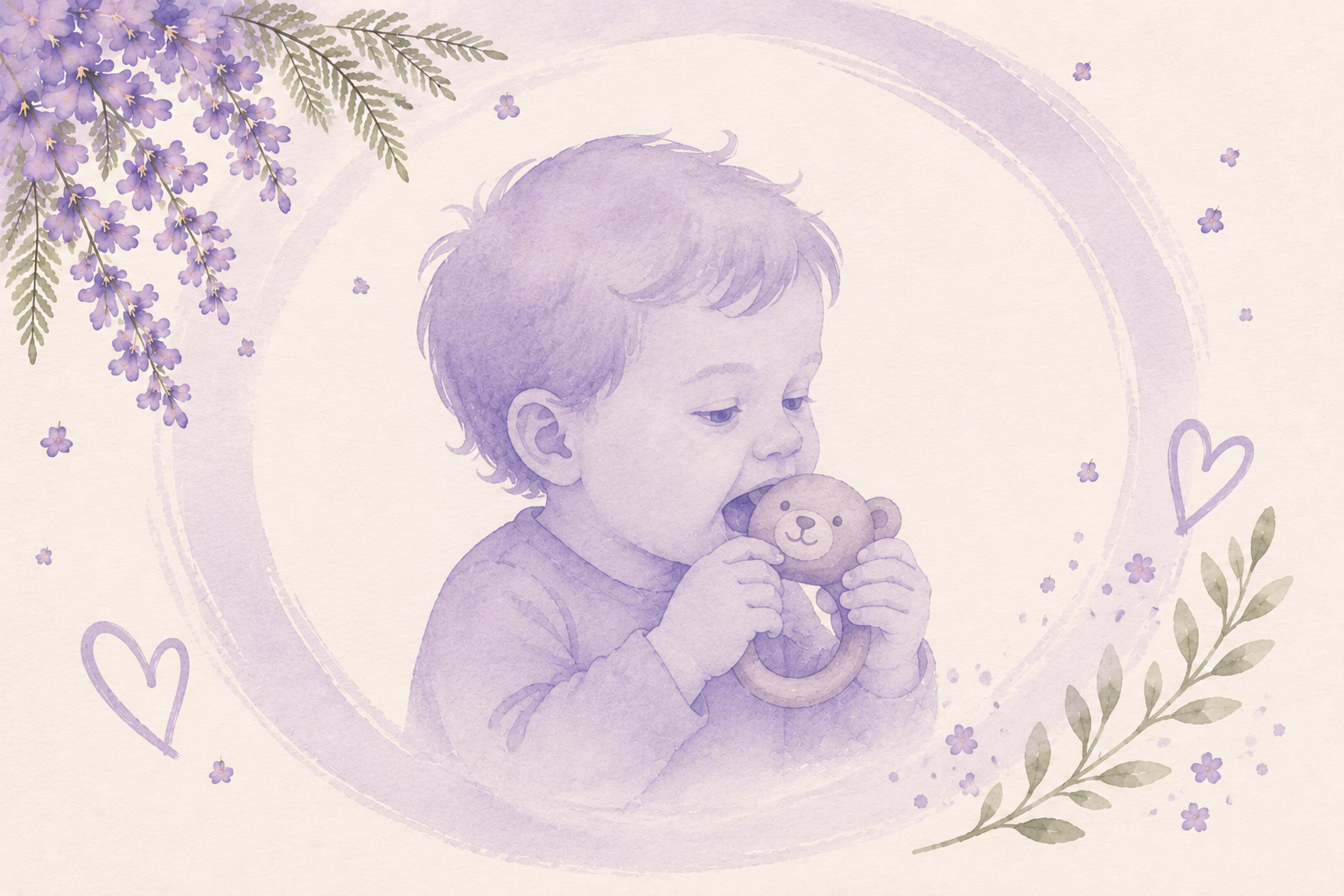
Babies first learn about the world through their mouths. They mouth toys and other objects to explore different textures, temperatures and sensations. As they begin eating solid foods, they also learn how to bite and chew. For some children, this natural curiosity extends to biting toys, furniture, and occasionally even friends, family members or educators. This type of biting is rarely intended to hurt someone—it is usually part of learning and exploring their environment.
As children grow, however, biting can sometimes become a way of communicating frustration, expressing overwhelming emotions, or responding to situations where they don't yet have the language or emotional regulation skills to cope. This is when we begin to look more closely at the behaviour.
At Parkside Community, we understand that biting is a form of communication. Rather than focusing solely on the behaviour itself, our educators work to understand why it is happening. We carefully observe the child, identify any patterns or triggers, and develop strategies to support them in expressing their needs in safer and more appropriate ways. Our goal is to help every child build the skills they need while ensuring all children feel safe, supported and cared for.
Why do children bite?
Children bite for many different reasons and understanding why they are biting is the first step in helping them develop more appropriate ways to communicate.
Some common reasons include:
Frustration when they cannot express themselves with words.
Big emotions such as anger, excitement or feeling overwhelmed.
Teething
Seeking sensory input.
Exploring their environment, particularly in younger children.
Protecting themselves, their space or a toy.
Being tired, hungry or overstimulated.
It is important to remember that biting is a behaviour, not a personality trait. Most children move through this stage as their language, emotional regulation and social skills develop. With consistent support from educators and families, children learn more appropriate ways to express their needs.
How do educators prevent and respond to biting?
At Parkside Community, we understand that every child is different. Our educators focus on understanding the reason behind the behaviour and supporting children to develop more appropriate ways to express themselves.
Some of the strategies we use include:
Observation and identifying triggers – Our educators take time to observe when and where biting is occurring to try and identify any patterns. We consider factors such as the time of day, the environment, interactions with other children, and whether the child may be tired, hungry or overwhelmed. Understanding these triggers helps us put strategies in place to reduce the likelihood of biting occurring again.
Redirection – After ensuring everyone is safe, educators calmly speak with the child about what has happened before redirecting them to an activity that supports emotional regulation. For many children, this may be a quiet, calming experience such as reading a book or drawing. For others, an activity that provides cognitive engagement, such as building with blocks or completing a puzzle, may better support their regulation. Our approach is always tailored to the individual child's needs.
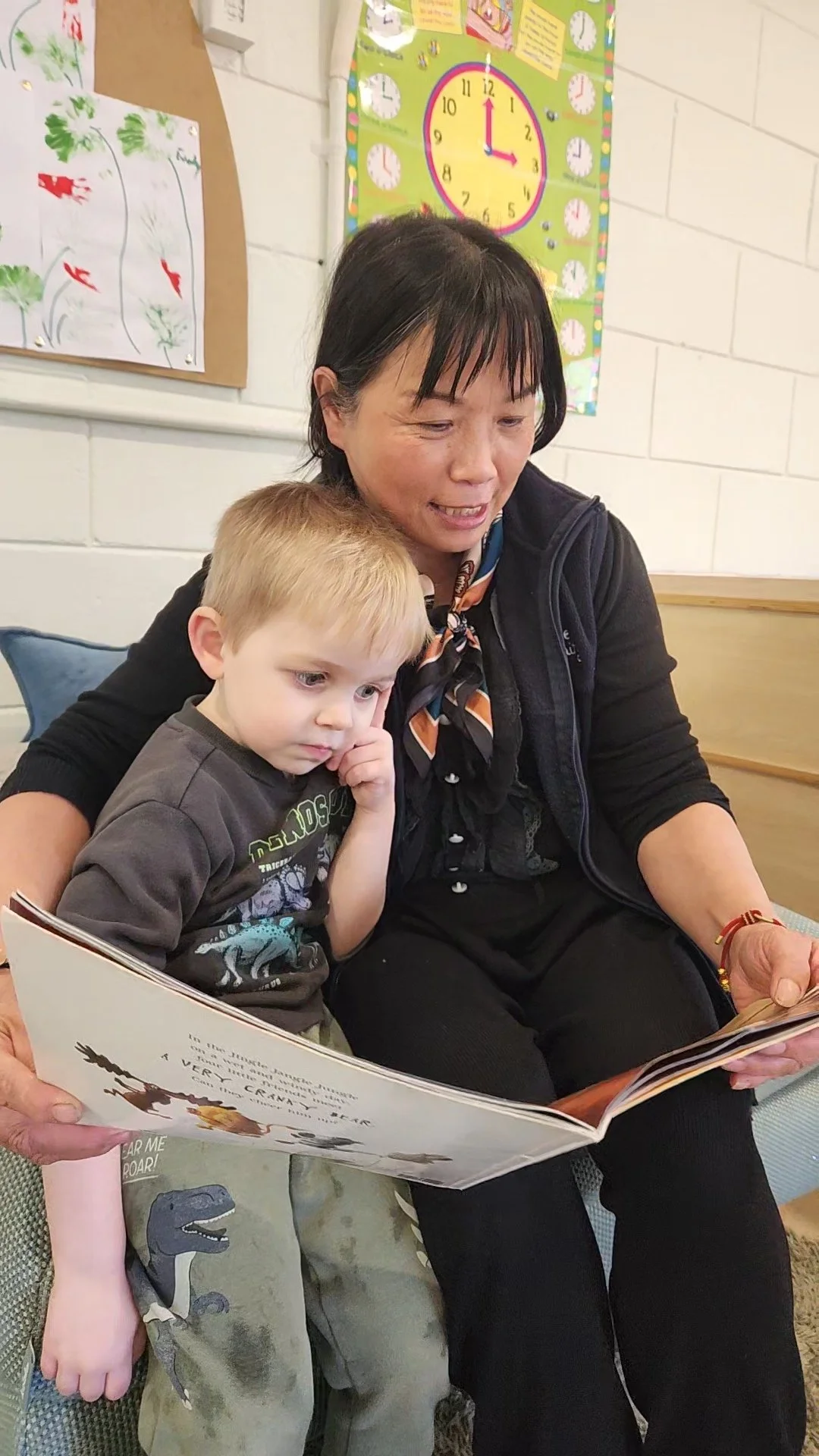
Books and social stories – Stories can be a powerful tool for helping children understand emotions and appropriate social behaviours. One of our educators experienced biting with their own child and found a book that aligned with the child's interests. The book was shared both at home and at the service, with educators reading it regularly and revisiting it whenever the child needed support. Over time, the child began recognising their feelings and was able to stop themselves before biting. This demonstrated the positive impact of consistency between home and the early learning environment.
Providing appropriate alternatives – If a child is biting due to teething or sensory needs, educators may offer appropriate items such as teething toys or other safe sensory resources. This allows the child to meet their sensory needs in a safe and appropriate way.
Working in partnership with families – Open communication between educators and families is key to supporting children through the biting stage. Our educators work closely with families to share observations, discuss what may be contributing to the behaviour, and develop consistent strategies that can be used both at the service and at home. By working together, we can provide children with a familiar and supportive approach across both environments.
A Stage, Not a Label
While biting can be upsetting for everyone involved, it is important to remember that it is usually a temporary stage of development. As children's language, emotional regulation and social skills continue to grow, most naturally move beyond biting and develop more appropriate ways to communicate.
At Parkside Community, our goal is to support every child with patience, understanding and consistency. We recognise that every child develops at their own pace, and we are committed to working in partnership with families to help children build the skills they need to succeed.
If you ever have concerns about your child's behaviour or would like to discuss the strategies we are using at the service, please don't hesitate to speak with one of our educators. By working together, we can provide children with the support and consistency they need to navigate this stage with confidence.
From Our Bookshelf:
Books can be a wonderful way to help children understand their emotions and learn positive social behaviours. Reading together also provides opportunities to have gentle conversations about feelings and appropriate ways to respond.
Some of our favourite books include:
Little Dinos Don't Bite by Michael Dahl
Teeth Are Not for Biting by Elizabeth Verdick
What To Do When You Feel Like Biting by Cara Goodwin
Further Reading
National Association for the Education of Young Children (NAEYC). Understanding and Responding to Children Who Bite.
Parenting SA. Children Biting.
Nemours KidsHealth. Biting.
Written by Jess Bell
Parkside Community Childcare and Early Learning Centre Director
04.07.2026